| Event type: | Meeting |
| Date: | 23rd June 2026 |
| Time: | 14:00 |
| Group: | Science and Technology - OPEN |
| Venue: | Petersfield Community Centre |
| Organiser: |
Talk by Dr Carmen Falagan
Bioleaching is the use of microorganisms for extraction of minerals. This technology was developed several decades ago and uses acidophilic (acid-loving) microorganisms. These microorganisms are adapted to extreme environments where metal concentrations are extremely high and pH is lower than 3.0. They are currently used in bioleaching of low-grade ores at an industrial scale and are investigated for the bioleaching of mine wastes and electronic wastes. These materials typically have low concentration of metals and would otherwise end up in mine waste storage facilities, as metal extraction using conventional mining methods would be uneconomical. The use of microorganisms offers an economical alternative through a low-maintenance process, in which microorganisms are in charge of extracting metals. This approach reduces operational costs while also reducing the amount of mine waste generated, reducing the impact of mining in the environment. This talk will cover research focused on the bioleaching of a low-grade ore obtained from a mine in Finland as well as other types of mine wastes showing how microorganisms can help us to obtain metals from waste material. This presentation will also address challenges currently faced by the bioleaching community.
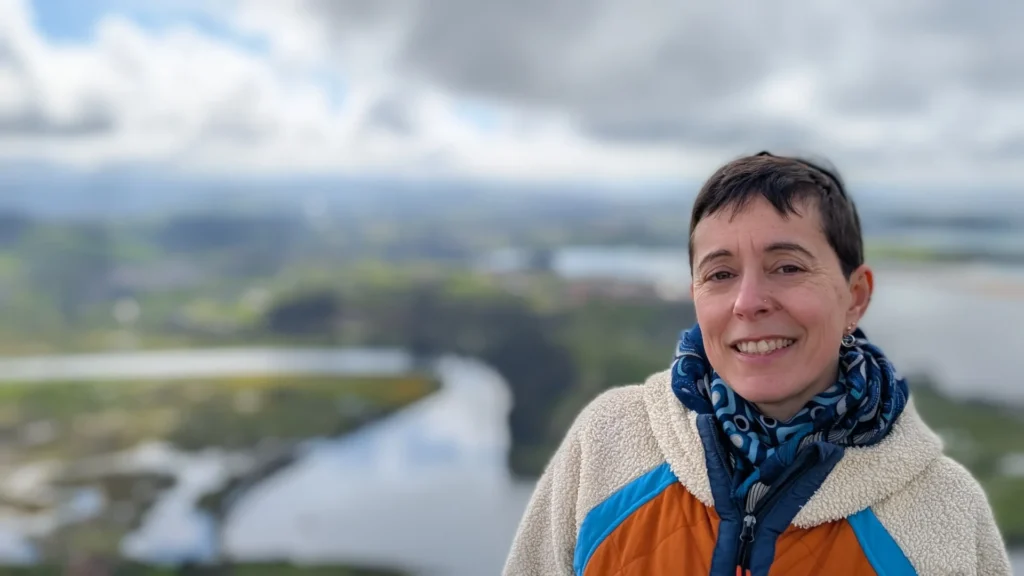
Carmen is a Lecturer in Environmental Microbiology at Portsmouth University, with interests in bacteria living in extreme environments like volcanic regions and highly acidic areas. She works with mining companies to reduce environmental impacts, and looks for bacteria that can extract metals from mining waste.
Last Updated on 27th May 2026